
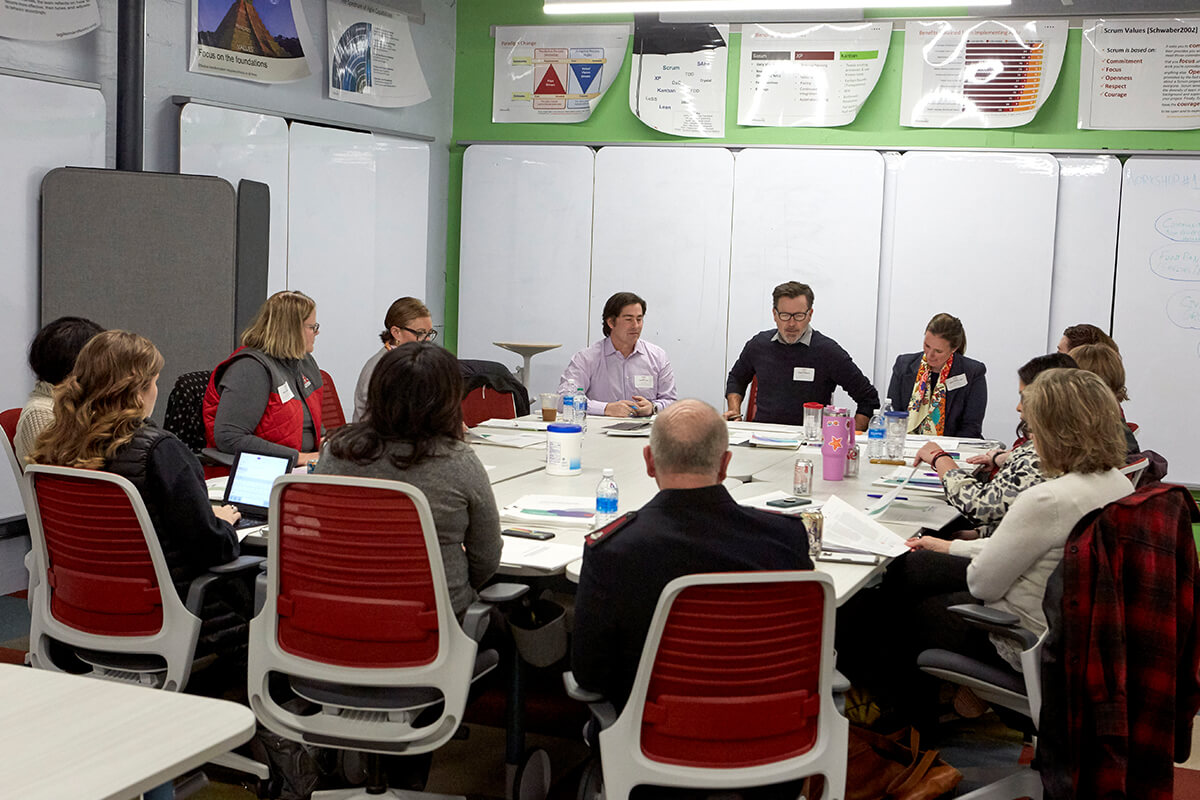
When jumping into an effort to bring various organizations together for a common cause, you should be aware that it may not be as easy as it should be. As many in the nonprofit world already know, there can be tensions between nonprofits over things like who gets credit for certain work, whether a project should be led by one agency over another, or where fundraising dollars get routed.
These tensions make total sense and are historically just part of the turf—nonprofits (and often government agencies) have competed for donations, volunteers and grant monies from the same limited pool of resources. They often have to demonstrate their impact to beget the next round of donations.
These tensions may be unavoidable. But we’ve found some ways to get beyond them:
Appeal to the Hearts and Minds. A common goal for a cause like ending hunger is something that everyone should want to get behind. Establish the vision and reiterate the benefit of it to the community.
The Facilitator. We discussed our engagement of a third-party facilitator who was not directly impacted by any leadership or credit needs, and who could help establish fair and reasonable agendas and help assure accountability for efforts. Often, the accountability discussions happened in private, which improved goodwill. .
Rising Tides Lift All: We were pleasantly surprised to find that the attention our coalition generated for the issue of hunger actually helped each of our organizations. Donations and volunteering were increased among all the participants who were involved in the cause.
One member organization had a backlog of people willing to sponsor free meals at their weekly summer Community Block Parties—the first time they’ve ever had the entire schedule paid for by donors.
Mission Overlap = Success: We discovered that, if each organization were to “stay in its own lane,” that actually caused some of the significant gaps in service. Each organization was hesitant to go beyond its perceived lane!
As our coalition focused on those gaps, we found that members were contacting other organizations they had never worked with before, establishing new lines of communication, partnerships and programs. And as they learned more about the services offered by their neighbors, they were able to better support them and make more case referrals to each other.
Over-Communicate: We saw firsthand that, when communication lines opened up between stakeholders, new ideas flowed, the overall volunteer pool grew, more partnerships were spawned and we gained confidence about the feasibility of tackling ambitious efforts together. Keeping information in silos slowed down efforts and ultimately reduced services to those who we’re trying to help.
Best Practices
For best practices, we suggest reading Team of Teams: New Rules of Engagement for a Modern World by General Stanley A. McChrystal.
“A huge part of creating a coalition is just getting everyone on the same page, getting all the info in one place that people can use. I’ve worked for the county for seven years and through the coalition I learned about resources that I never even knew existed.”
Coalition Agreements: One idea to consider is having a basic, non-binding memorandum of understanding between coalition partners to reinforce the purpose and goals and agree on basics of operation. Example provisions to which each member should agree:
- Participate in at least half of the regular meetings.
- Support at least one campaign or event.
- Supply and share basic data metrics as specified, so we can better gauge collective impact.
- Promote involvement with the coalition and its successes if desired, as they rightfully should for helping make it possible.
- Share in grant proceeds where allowable by the grant, if the coalition applies for funding.